
In summary:
- VAT relief is not automatic; you must meet HMRC’s strict definition of being « chronically sick or disabled ».
- The eligibility declaration form is a legal document. Mistakes can lead to delays or the full VAT amount being charged.
- You can claim relief when buying for an eligible person, such as a parent, provided the product is for their personal use.
- Keep all records, including the declaration and invoice, as you may need to prove eligibility in an HMRC audit.
- Funding options like the Motability Scheme and purchasing with VAT relief are entirely separate processes with different benefits.
For many UK residents with chronic conditions, the prospect of saving 20% on a mobility scooter through VAT relief is a significant financial help. It can be the deciding factor that makes an essential piece of equipment affordable. The common understanding is that this is a simple process: find a scooter, tick a box on a form, and the price drops. However, this oversimplification is a dangerous misconception. Claiming VAT relief is not merely about securing a discount; it is a formal declaration made to His Majesty’s Revenue and Customs (HMRC).
Treating this process with the seriousness it deserves is paramount. The eligibility criteria are specific, the paperwork requires precision, and the consequences of a wrongful claim can be more than just an administrative headache. This guide moves beyond the basics to provide the detailed, compliance-focused advice of a tax specialist. We will explore the nuances of eligibility, the common pitfalls in the declaration process, and the crucial differences between VAT relief and other funding avenues like the Motability Scheme or NHS services. Understanding these rules is the key to a smooth, successful, and legally sound purchase.
This article provides a comprehensive overview of the rules and procedures you must follow. We will break down each critical aspect of the process to ensure you are fully informed and can proceed with confidence.
Summary: A Compliance Guide to VAT Relief and Scooter Ownership
- Chronically Sick vs Temporarily Injured: Do You Qualify for VAT Relief?
- The Simple Form Mistake That Could Delay Your Scooter Delivery
- Can You Claim VAT Relief When Buying a Scooter for a Parent with Dementia?
- Why Some Online Sellers Automatically Remove VAT (and Why Check Anyway)?
- The Risk of False Claims: What Happens If HMRC Audits Your Purchase?
- NHS Wheelchair Services or Motability: Which Route Get You Funded Faster?
- Delta Tiller vs Standard Bar: Which Design Reduces Pain for Arthritic Fingers?
- How to Complete Class 3 Scooter Registration with the DVLA Correctly?
Chronically Sick vs Temporarily Injured: Do You Qualify for VAT Relief?
The cornerstone of VAT relief eligibility is the distinction between a long-term health condition and a temporary injury. HMRC’s definition is precise: you are eligible if you have a physical or mental impairment which has a long-term and substantial adverse effect upon your ability to carry out everyday activities. This includes conditions like arthritis, multiple sclerosis, or dementia. Conversely, a person who is temporarily disabled, such as having a broken leg, is not eligible for VAT relief on mobility aids.
The key term is « long-term. » To provide clarity, official guidance defines this as a condition that has lasted or is expected to last for a period of at least 12 months or more. It is your personal responsibility to honestly assess whether your condition meets this definition. You do not need to be registered disabled or receive any disability benefits to qualify; eligibility is based solely on the nature of your condition.

As the image suggests, while some cases are clear-cut, others can fall into a grey area. If you are unsure, the most prudent course of action is to consult with your GP or a disability advice service before making a declaration. Making a truthful declaration based on a clear understanding of this fundamental rule is the first and most important step in the entire process.
The Simple Form Mistake That Could Delay Your Scooter Delivery
The VAT relief eligibility declaration is not just a formality; it is a legally binding document. The most common mistake is treating it with haste, leading to simple errors that can delay your scooter’s dispatch or, in worse cases, invalidate your claim. The form, whether completed online or on paper, requires you to state your name and the specific chronic condition that makes you eligible. Vague descriptions like « mobility issues » or « old age » are insufficient and likely to be queried by the supplier, who is liable to HMRC if they cannot prove your eligibility.
Your declaration must be precise and truthful. This accuracy provides the supplier with the necessary legal cover to zero-rate the VAT on your purchase. Any ambiguity forces them to pause the order and request clarification, directly impacting your delivery timeline. The success of this process is a powerful demonstration of why diligence at the point of sale is so critical.
Case Study: The £500 Saving Through Proper Declaration
In a 2024 case, Fiona, a 45-year-old from Leeds with multiple sclerosis, needed a stairlift quoted at £3,000 including VAT. After learning about VAT relief, she completed the supplier’s declaration form, correctly and clearly stating her chronic condition. The supplier was then able to confidently zero-rate the sale, reducing the final cost to £2,500—an immediate £500 saving. This real-world example shows how a correctly completed form directly translates into significant financial relief.
Beyond the declaration itself, the final invoice is your proof of a compliant purchase. Before you pay, you should ensure all details are correct. A simple checklist can help you avoid post-purchase complications.
Your Post-Purchase Invoice Checklist for VAT Relief
- Verify the seller’s VAT registration number is clearly displayed on the final invoice.
- Confirm the invoice explicitly states « VAT Relief » or shows a 0% VAT line item for eligible products.
- Check that the product description on the invoice matches the eligible mobility scooter you purchased.
- Ensure your declaration details (name, condition) match the information on the invoice or accompanying documents.
- Save a digital copy (PDF or screenshot) of both the completed declaration and the final invoice for your records.
Can You Claim VAT Relief When Buying a Scooter for a Parent with Dementia?
Yes, you absolutely can. A common point of confusion is whether you can claim VAT relief when purchasing a mobility scooter for someone else, such as an elderly parent or a family member with a disability. The rules are clear: the relief is linked to the end user of the equipment, not the person paying for it. If you are buying a scooter for your mother who has dementia—a qualifying chronic condition—you are entitled to claim the relief on her behalf.
When you complete the eligibility declaration form, you must enter the details of the person the scooter is for (i.e., your mother’s name and her specific condition). You would then sign the declaration on her behalf. This ensures the entire transaction is compliant and correctly documented. The financial benefit is significant, as it amounts to a saving of 20% on the purchase price of the scooter and any other qualifying items, like specific accessories designed for disabled use.
This point is further clarified by official guidance, which seeks to remove unnecessary barriers for those in need. As HMRC themselves state, there is a common misconception that eligibility is tied to official registration:
You do not need to be registered disabled or eligible for any other benefit to qualify for VAT-free goods.
This statement reinforces that the claim is based entirely on the presence of a qualifying long-term condition. As long as the scooter is for the personal use of the disabled individual, the purchase is eligible for zero-rated VAT, regardless of who makes the payment. This provision is essential for family members and carers supporting loved ones.
Why Some Online Sellers Automatically Remove VAT (and Why Check Anyway)?
Many shoppers browsing for mobility scooters online will notice that some websites feature a toggle or a checkbox that, when ticked, instantly displays prices without VAT. This is a common practice designed to simplify the customer journey and reduce what is known as « purchase friction. » By showing the lower price upfront, sellers make the product more attractive and the buying process seem easier. However, this automated convenience should not lead to complacency on the part of the buyer.
The responsibility for a correct declaration ultimately lies with both the buyer and the seller. While the seller provides the mechanism, the buyer is the one affirming their eligibility. The reason suppliers must collect this declaration is one of financial liability. This is a critical point that many consumers miss.
sellers auto-remove VAT to reduce purchase friction, but they are financially liable to HMRC if they cannot prove their customer’s eligibility during an audit
– UK VAT regulatory framework, HMRC VAT Notice 701/7 on supplier obligations
This means the seller must have a valid declaration on file for every zero-rated sale. If they are audited by HMRC and cannot produce this proof, they can be forced to pay the missing VAT out of their own pocket. For this reason, reputable sellers will always have a robust system for capturing your declaration, even if it seems like a simple online tick box. You should always double-check that you have completed a formal declaration step before checkout and that your final invoice correctly reflects the VAT relief. Never assume an automatic discount is legally sufficient without your explicit confirmation.
The Risk of False Claims: What Happens If HMRC Audits Your Purchase?
While the VAT relief process is built on trust, making a false or careless declaration carries significant risk. If HMRC conducts an audit on your supplier, they may investigate individual sales. Should they find that you were not eligible for the relief you claimed, you could be held liable for repaying the full VAT amount, which is 20% of the net price. In cases of deliberate fraud, more severe penalties could be applied. This is not a theoretical risk; it is a real possibility that underscores the importance of honesty and accuracy in your declaration.
The best way to protect yourself from any future liability is to maintain a clear and comprehensive « audit trail » of your purchase. This is a simple file containing all the key documents related to the transaction. Having this file ready provides peace of mind and ensures that if your purchase is ever questioned—even years later—you can quickly and easily prove your eligibility and the compliance of the sale. It transforms the purchase from a simple transaction into a well-documented and defensible record.
Your « Peace of Mind File » should contain the following essential documents:
- Final Invoice: The supplier’s invoice showing VAT relief at 0% and their VAT registration number.
- Eligibility Declaration: A completed copy of your declaration form (either the supplier’s version or an HMRC template).
- Supporting Medical Evidence: While not required for the sale, keeping a document like a PIP award letter, a doctor’s letter confirming your chronic condition, or other disability benefit documentation provides strong supporting evidence.
- Proof of Purchase: Confirmation of payment, such as a bank statement highlight, receipt, or payment confirmation email.
HMRC’s standard audit period can look back several years. It is therefore recommended to keep these documents together in a safe place, either as physical copies or in a dedicated digital folder, for at least four years.
NHS Wheelchair Services or Motability: Which Route Get You Funded Faster?
While VAT relief is a tax reduction on a private purchase, it’s crucial to understand it is not a funding source. Two major alternatives for acquiring a mobility vehicle are through NHS Wheelchair Services and the Motability Scheme. Each route operates differently in terms of speed, choice, and cost, and they are distinct from buying privately. The choice between them often depends on your specific needs, financial situation, and urgency.
NHS Wheelchair Services typically provide mobility aids on a loan basis after a clinical assessment. While there is no direct cost to the user, the process can be slow, with waiting lists for assessments and a limited range of standard-issue equipment. The Motability Scheme, on the other hand, allows individuals receiving a qualifying disability allowance to lease a new scooter or powered wheelchair. It offers a wide choice and a faster acquisition process, with over 860,000 customers currently using the scheme. However, it requires redirecting your mobility allowance to cover the lease.

A private purchase with VAT relief offers the fastest acquisition speed and the widest possible choice of models. However, it requires the highest upfront capital, and you are responsible for all maintenance and insurance costs. The following table, based on an analysis of UK mobility funding routes, breaks down the key differences.
| Funding Route | Speed of Acquisition | Choice Range | Upfront Cost | Ongoing Cost | VAT Relief Available |
|---|---|---|---|---|---|
| NHS Wheelchair Services | 70% wait 3+ months | Limited range from stock | £0 (free loan) | £0 (NHS maintains) | N/A (NHS provision) |
| Motability Scheme | Relatively fast (weeks) | Wide choice, 860,000+ users | Uses disability allowance | Mobility allowance redirected | No (scheme exempt from VAT) |
| Private Purchase with VAT Relief | Fastest (immediate) | Widest choice available | Highest (minus 20% VAT) | Owner responsible for maintenance | Yes (20% saving) |
Delta Tiller vs Standard Bar: Which Design Reduces Pain for Arthritic Fingers?
Beyond funding and tax compliance, the practical, everyday usability of your scooter is paramount. For users with arthritis, weak grip, or limited hand dexterity, the design of the scooter’s controls—the tiller—can make the difference between comfortable independence and painful operation. The two most common designs are the standard T-bar and the ergonomic delta tiller.
A standard T-bar tiller resembles the handlebars of a bicycle, requiring a firm grip and some degree of wrist rotation to steer and operate the throttle levers. While effective for many users, it can cause strain and discomfort for those with painful finger joints. In contrast, the delta tiller is a wrap-around design that allows the user to control the scooter with their palms or by hooking their fingers over the bar, requiring minimal grip strength and wrist movement. This design is specifically engineered to reduce pain for individuals with conditions like arthritis.
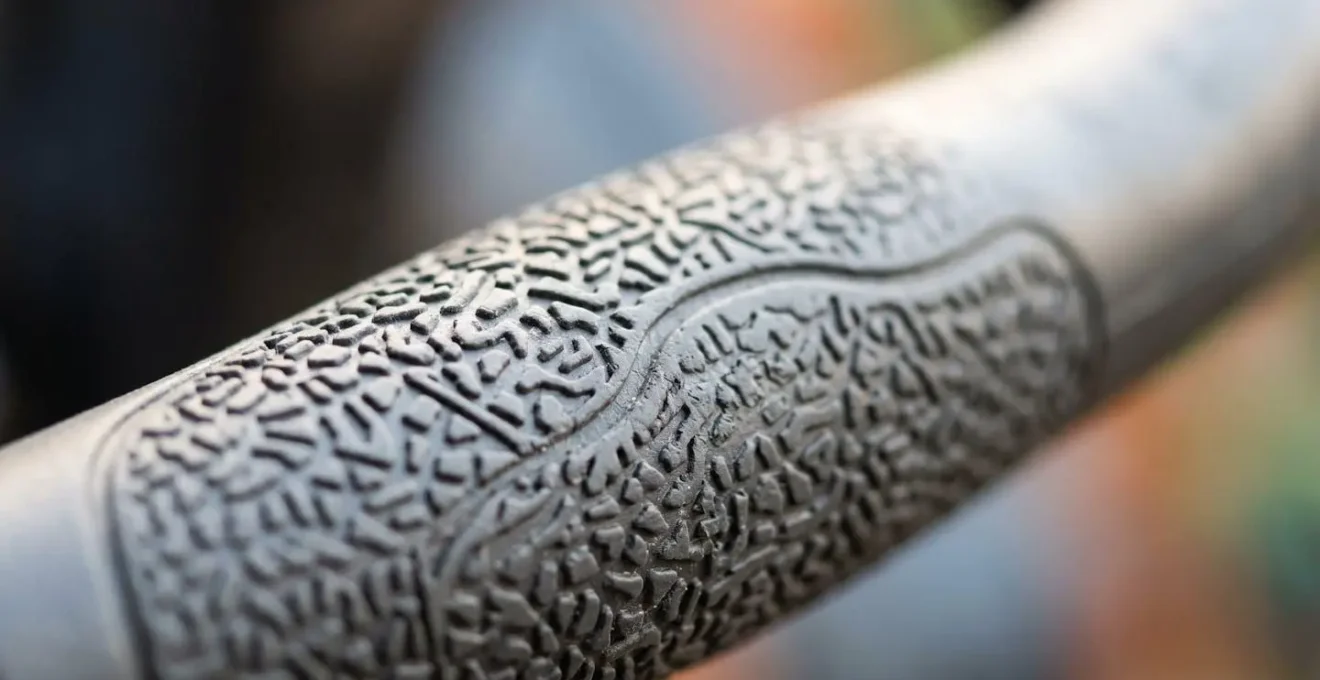
Because delta tillers and other specialised controls are designed solely for use by disabled persons, they are eligible for VAT relief. The choice of control system should be a primary consideration during your selection process, directly tailored to your physical needs. The table below outlines how different control types are suited to various mobility conditions.
| Control Type | Best Suited For | Hand/Wrist Motion Required | VAT Relief Eligibility | Portability Trade-off |
|---|---|---|---|---|
| Delta Tiller | Arthritis, weak grip, limited wrist rotation | Minimal twisting, palm grip | Yes (designed solely for disabled) | Usually on larger, less portable scooters |
| Standard T-Bar | Single-hand use post-stroke, good for general mobility | Standard grip, some wrist rotation | Yes (when part of mobility scooter) | Common on mid-size models |
| Joystick Control | Significant upper body weakness, fine motor control in hand | Finger/thumb control only | Yes (designed solely for disabled) | Often on powered wheelchairs, less portable |
Key takeaways
- VAT relief eligibility is strictly for individuals with long-term, chronic conditions, not temporary injuries.
- The declaration form is a legal statement to HMRC; accuracy is vital to avoid delays and potential penalties.
- Funding options like the NHS or Motability are entirely separate from the 20% tax saving of a private purchase with VAT relief.
How to Complete Class 3 Scooter Registration with the DVLA Correctly?
If you purchase a mobility scooter capable of speeds over 4 mph for use on the road, it is classified as a ‘Class 3’ vehicle. This classification comes with a legal requirement that is often overlooked: registration with the Driver and Vehicle Licensing Agency (DVLA). This is not an optional step; it is a legal mandate for road use.
As the official guidance states, this is a firm requirement. Failure to register a Class 3 scooter can lead to legal issues if you are stopped while using it on the road. The process is straightforward but requires careful completion of the correct paperwork to avoid rejection.
Class 3 mobility scooters or powered wheelchairs that will be driven on the road MUST be registered with the DVLA.
– DVLA Official Guidance, DVLA mobility vehicle registration requirements
You will need to complete either a V55/4 form (for a brand new, unregistered vehicle) or a V55/5 form (for a used or previously unregistered vehicle). The key is to correctly fill in the ‘Taxation Class’ section by selecting ‘Disabled’. This ensures the vehicle is taxed at the correct rate, which is £0 (FREE). Following a simple guide can ensure your application is processed without issue.
- Determine Form Type: Use form V55/4 for a new scooter direct from the manufacturer, or V55/5 if it is used and not previously registered. If buying a used scooter that is already registered, you only need the V5C logbook from the seller to change ownership.
- Select ‘Disabled’ Tax Class: In the ‘Taxation Class’ section, you must select ‘Disabled’. This is the most critical step to ensure zero-cost annual road tax.
- Leave Inapplicable Sections Blank: To avoid rejection, do not fill in sections that do not apply to a mobility scooter, such as engine size, CO2 emissions, or fuel type.
- Submit with ID: Send the completed form to the DVLA along with the required proof of identity. You should receive your V5C registration certificate (logbook) within four to six weeks.
By approaching your mobility scooter purchase with this level of diligence—from verifying VAT eligibility to completing DVLA registration—you not only secure the best financial outcome but also ensure full legal compliance, giving you the confidence and peace of mind to enjoy your newfound independence.