Choosing a mobility scooter based on generic advice often fails to address the specific symptoms of chronic pain.
- The key is a clinical approach: matching specific engineering features (like tiller type or tire material) directly to your primary pain triggers (like finger joint pain or whole-body vibration sensitivity).
- This transforms the scooter from a simple vehicle into a personalized therapeutic tool that actively reduces pain and conserves energy throughout the day.
Recommendation: Use this guide’s symptom-first framework to conduct a targeted self-assessment and test drive, ensuring your final choice provides measurable relief rather than just basic mobility.
Selecting a mobility scooter when you live with chronic pain is not a standard consumer choice; it is a critical medical decision. For individuals managing conditions like arthritis, fibromyalgia, or chronic fatigue, the wrong feature can actively worsen symptoms, turning a tool for freedom into a source of further pain and exhaustion. The market often speaks in generalities of « comfort » and « suspension, » but these terms are meaningless without clinical context. The subtle difference between a solid or an air-filled tire, for instance, can be the difference between a pleasant outing and a full-blown pain flare-up for someone with fibromyalgia.
The common approach of looking at a scooter’s top speed or battery range misses the point entirely. The crucial questions are biomechanical and physiological. Does the steering mechanism reduce ulnar deviation for arthritic wrists? Does the seat cushion effectively mitigate shear forces and pressure points during a 20-minute ride? This guide moves beyond generic advice to provide a clinical framework. We will dissect key scooter features and map them directly to the symptoms they are designed to alleviate. This is about applying a « symptom-feature pairing » methodology, empowering you to analyze a scooter not as a whole, but as a system of ergonomic interventions. We will explore tiller designs for hand pain, tire properties for vibration sensitivity, seating science for postural agony, and even the clinical importance of a feature as seemingly minor as a charging port’s location for those with profound fatigue. By the end of this analysis, you will be equipped to « prescribe » yourself the right set of features for measurable, daily relief.
This article provides a detailed, symptom-focused breakdown to help you navigate these critical choices. Below, the table of contents outlines the specific feature-to-symptom comparisons we will explore, allowing you to focus on the areas most relevant to your condition.
Contents: A Symptom-First Guide to Scooter Selection
- Delta Tiller vs Standard Bar: Which Design Reduces Pain for Arthritic Fingers?
- Solid vs Air Tires: Why Fibromyalgia Sufferers Must Choose Carefully?
- Captain Seat vs Bench: What Prevents Back Agony After 20 Minutes?
- Heated Grips and Seats: Are They a Gimmick or Essential for Raynaud’s?
- Why Easy-Reach Charging Ports Matter for Chronic Fatigue Syndrome Users?
- Memory Foam vs Gel: Which Cushion Prevents Numbness on Bumpy Rides?
- The Vibration Test: Comparing Solid vs Air on Cobblestones
- Delta Tiller vs Standard Handlebars: Which Ergonomic Steering Suits You?
Delta Tiller vs Standard Bar: Which Design Reduces Pain for Arthritic Fingers?
For the nearly 60 million adults affected by arthritis, the interface between hand and machine is a primary site of potential pain. The scooter’s tiller is not just for steering; it’s a control surface that can either accommodate or antagonize inflamed joints. Standard motorcycle-style handlebars demand a sustained, forceful grip—an action that requires constant pressure from the finger flexor tendons and can exacerbate pain in the metacarpophalangeal and proximal interphalangeal joints.
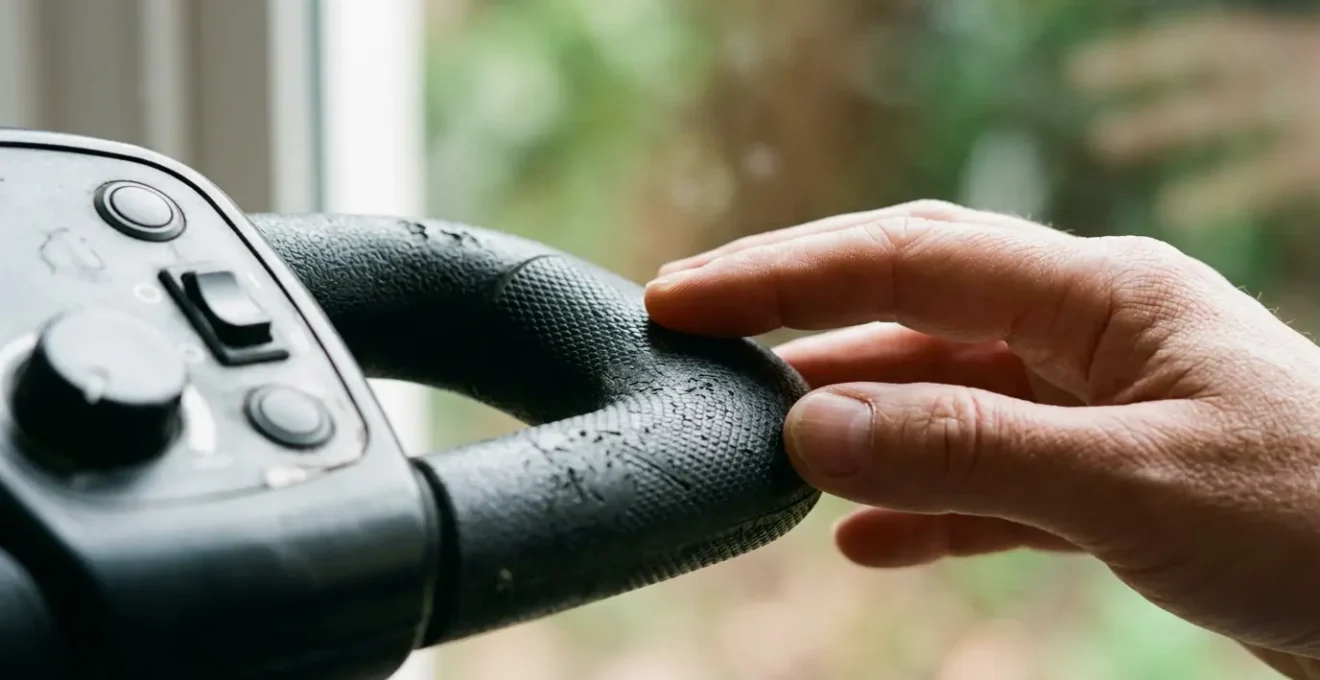
The Delta tiller, with its wraparound, closed-loop design, fundamentally changes this ergonomic equation. It allows for operation without a full fist grip. Users can rest their wrists on the handle and steer by pushing or pulling with their palms or even the back of their hands. This design minimizes the need for fine motor control and grip strength, transferring the steering force to larger, more robust muscle groups in the arm and shoulder. It also promotes a more neutral wrist posture, reducing the ulnar deviation and pronation that can strain carpal bones and ligaments.
The choice is clinically clear: if finger joint pain, swelling, and a weak or painful grip are primary symptoms, the Delta tiller is not a luxury but a necessary medical adaptation. It directly addresses the biomechanical failure point for many arthritis sufferers, allowing for longer, pain-free operation.
This table, based on information from mobility specialists, clinically breaks down the ergonomic differences:
| Feature | Delta Tiller | Standard Handlebar |
|---|---|---|
| Grip Style | Wraparound, allows wrist rest | Motorcycle-style grip requiring sustained pressure |
| Hand Strength Required | Minimal – suitable for limited dexterity | Moderate – similar to squeezing wet sponge |
| One-Handed Operation | Yes – left or right hand capable | Limited – requires both hands for stability |
| Wrist Position | Reduces ulnar deviation and pronation | Requires maintained grip angle |
| Best For | Arthritis, limited hand strength, fine motor issues | Users with good hand dexterity and grip strength |
Solid vs Air Tires: Why Fibromyalgia Sufferers Must Choose Carefully?
For the general user, the choice between solid and air-filled (pneumatic) tires is one of maintenance versus comfort. For a fibromyalgia sufferer, it’s a choice between mobility and a systemic pain flare-up. Fibromyalgia, a condition that research published in Frontiers in Neurology shows affects 3-5% of the general population, is characterized by central sensitization, a phenomenon where the nervous system amplifies pain signals. This often leads to allodynia, where stimuli that are not normally painful, such as the gentle vibration from a scooter, are perceived as excruciating.
Solid, or « puncture-proof, » tires are typically made from hard rubber or foam-filled composites. While they offer peace of mind against flats, they provide virtually zero vibration absorption. Every crack in the sidewalk, every cobblestone, and every rough patch of pavement transmits high-frequency vibrations directly up through the scooter’s frame, into the seat, and finally into the user’s spine and nervous system. For a person with fibromyalgia, this constant vibrational input is not merely an annoyance; it is a direct pain trigger that can accumulate into an « ergonomic debt » of widespread pain and fatigue that lasts for hours or days.
Pneumatic tires, conversely, act as the scooter’s primary suspension component. The pocket of compressed air within them serves as an effective damper, absorbing and dissipating a significant portion of these high-frequency vibrations before they can reach the frame. While they require periodic air pressure checks, this minor inconvenience is a small price to pay for the profound reduction in neurological agitation. Therefore, for anyone with a central sensitization condition like fibromyalgia or MS, pneumatic tires are not an option but an absolute clinical necessity for safe and tolerable operation.
The illustration below visualizes the fundamental difference in how these materials handle the energy from uneven surfaces, a crucial factor in managing vibration-induced pain.
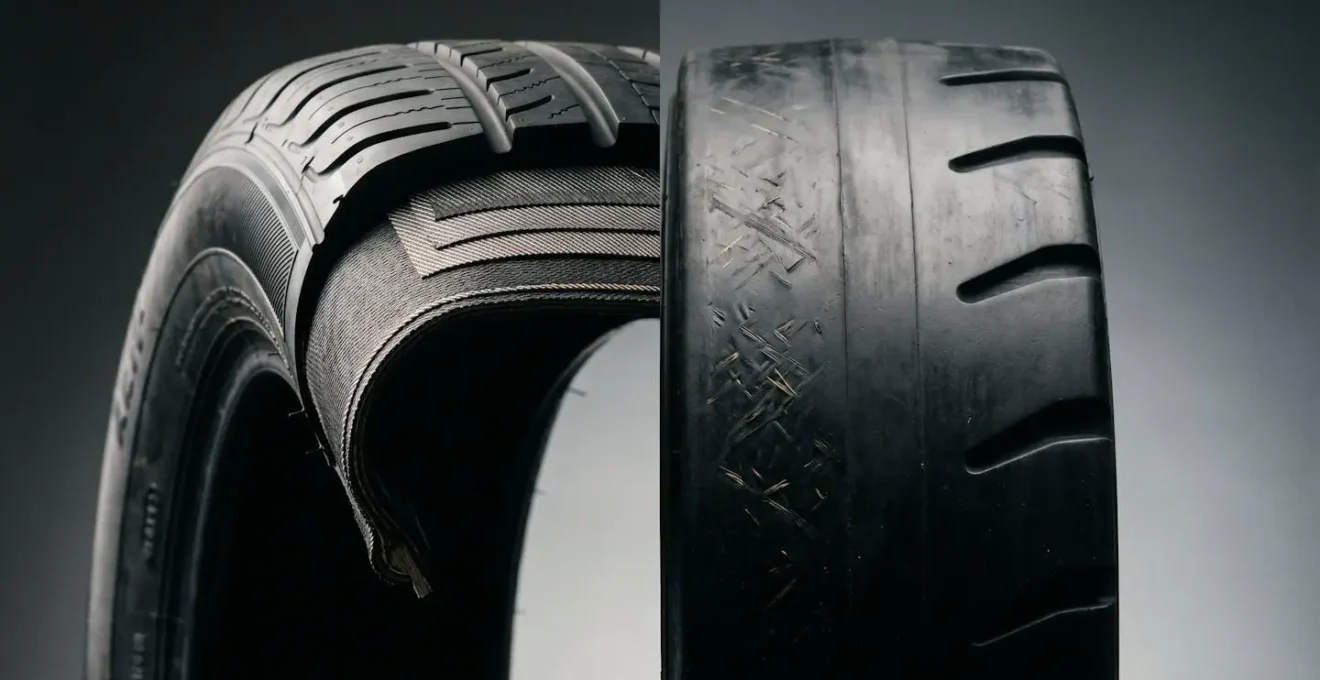
As the visual contrast suggests, the forgiving nature of a pneumatic tire versus the rigidity of a solid one is the first line of defense against the constant barrage of micro-impacts that define real-world travel. This choice directly impacts whole-body symptom management.
Captain Seat vs Bench: What Prevents Back Agony After 20 Minutes?
A simple bench seat on a scooter is a flat, unsupportive surface designed for short, functional trips. For a user with chronic back pain, degenerative disc disease, or scoliosis, using such a seat for more than a few minutes can lead to significant postural fatigue, muscle spasms, and increased pain. The problem lies in the lack of specific, targeted support. A bench seat forces the user’s spinal muscles—the erector spinae and multifidus—to work constantly to maintain an upright posture, leading to rapid exhaustion and pain.
A Captain’s seat, in contrast, is an orthopedically designed piece of equipment. Its key features are not for luxury but for clinical support. A high backrest provides thoracic support, preventing the upper back from slumping. Integrated and contoured lumbar support helps maintain the natural lordotic curve of the lower spine, reducing strain on discs and ligaments. Adjustable armrests are also critical; by setting them at the correct height, the user can offload the weight of their arms, which in turn reduces tension in the trapezius muscles of the neck and shoulders—a common site of trigger points and chronic pain.
Furthermore, a Captain’s seat often includes features like recline and swivel functions. The ability to recline slightly changes pressure points and can provide relief during longer use, while the swivel function is essential for safe transfers. It allows the user to turn and place their feet on the ground before standing, preventing the dangerous twisting of the spine that is often required to dismount from a fixed seat. For anyone who anticipates using their scooter for more than 15-20 minutes at a time, a full Captain’s seat is the only clinically sound choice for preventing back agony.
Your Clinical Seat-Fit Checklist: 5 Points to Verify
- Leg & Foot Position: Ensure the seat edge ends 2-3 inches from the back of your knees and that your feet can rest flat on the footplate without strain, preventing circulation issues.
- Armrest Height: Confirm the armrests support your arms at a 90-degree angle. Your shoulders should be relaxed, not shrugged, to prevent neck and shoulder tension.
- Lumbar Support Depth: Check that the backrest’s curve makes firm, comfortable contact with your lower back, providing support without pushing you forward.
- Swivel Function: Test the seat’s 90-degree rotation. It should lock securely in place to allow for a safe and stable transfer on and off the scooter without twisting your torso.
- Seat Height Adjustment: Verify that the seat can be adjusted to a height that accommodates your specific knee and hip needs, promoting a healthy posture from the ground up.
Heated Grips and Seats: Are They a Gimmick or Essential for Raynaud’s?
To an outside observer, heated components on a mobility scooter might seem like a creature comfort, a mere luxury. However, for the millions of people living with Raynaud’s phenomenon, they are a frontline therapeutic intervention. Raynaud’s is a condition that causes vasospasm in the extremities, typically the fingers and toes, in response to cold or stress. This leads to a dramatic reduction in blood flow, causing the affected areas to become white, then blue, and feel numb or intensely painful. As a scooter is an outdoor vehicle, the simple act of gripping a cold tiller or sitting on a cold seat can be enough to trigger a painful attack.
Heated grips and seats work by providing continuous, low-level conductive heat directly to these vulnerable areas. This active warming helps to counteract the environmental cold trigger, promoting vasodilation (the widening of blood vessels) and maintaining crucial blood flow to the digits and skin. This is not a gimmick; it is the practical application of thermal therapy to manage a specific vascular condition. The goal is not just warmth, but the prevention of a vasospastic event.
The effectiveness of such localized heating is supported by clinical evidence. While direct studies on scooter seats are scarce, research into related applications demonstrates the principle. This makes heated features an essential, evidence-based adaptation for anyone with Raynaud’s who wishes to use their scooter reliably in anything other than a warm climate.
Case Study: The Clinical Efficacy of Localized Heat for Raynaud’s
The principle behind heated scooter components is validated by clinical research on similar interventions. For example, a randomized crossover trial on heated gloves for patients with Raynaud’s in systemic sclerosis provided conclusive results. The study demonstrated that the heated gloves group experienced a statistically significant 1.51 unit lower mean Raynaud’s Condition Score, a 0.64 reduction in the mean number of attacks, and a 37-minute lower mean attack duration compared to routine practice. The researchers concluded that this form of localized heat is an effective and safe intervention for reducing symptoms, functioning as a valuable adjunct to medication for the nearly 28 million Americans affected by the condition. This supports the clinical argument for heated scooter grips and seats as a preventative tool.
Why Easy-Reach Charging Ports Matter for Chronic Fatigue Syndrome Users?
For most users, plugging in a scooter to charge is a minor, thoughtless chore. For a person with Myalgic Encephalomyelitis/Chronic Fatigue Syndrome (ME/CFS) or severe fibromyalgia, this simple act can be a significant barrier to use. These conditions are characterized by profound, debilitating fatigue that is worsened by physical exertion, a symptom known as post-exertional malaise (PEM). The « Spoon Theory » is a popular metaphor used to describe the limited energy reserves people with these conditions have each day. Every physical action—sitting up, walking, bending over—costs a « spoon » of energy, and once the spoons are gone, they are gone.
Many scooters are designed with the charging port located low on the scooter’s base or shroud, often tucked away in an awkward, hard-to-see spot. Accessing this port requires bending down, squatting, or kneeling—actions that can be physically taxing, cause dizziness (orthostatic intolerance is common in ME/CFS), and cost multiple precious « spoons » of energy. For someone whose daily energy is severely limited, the very act of recharging their mobility aid can be so draining that it negates the benefit of using it.
This is why a high-level, easy-reach charging port is a critical design feature. The best designs place the charging port on the tiller, near the controls, at waist or chest height when seated. This allows the user to plug in the charger without bending, straining, or even getting off the scooter. It transforms a high-cost energy task into a low-cost one, preserving the user’s limited energy for essential life activities. It is a perfect example of how a small ergonomic detail can have a massive impact on the usability and true accessibility of a medical device.
For a CFS user, the physical act of bending down, finding the port, and plugging in the cord can cost them their last ‘spoon’ of energy for the day.
– Spoon Theory Application Framework, Chronic Fatigue Energy Conservation Principles
The image below shows the stark contrast between a poorly placed port and an ergonomically sound one, highlighting the importance of this feature for energy preservation.

Memory Foam vs Gel: Which Cushion Prevents Numbness on Bumpy Rides?
Numbness and tingling during a scooter ride, often dismissed as « falling asleep, » are clinical signs of nerve compression or restricted blood flow. This is frequently caused by a combination of prolonged pressure on the ischial tuberosities (the « sit bones ») and shear forces from bumps and vibration. The seat cushion’s material science is the primary defense against these issues. The two most common advanced materials, memory foam and gel, address this problem in fundamentally different ways.
Memory foam (viscoelastic polyurethane foam) is temperature- and pressure-sensitive. Its primary function is immersion and envelopment. It softens with body heat, allowing the user to sink into it, which distributes their weight over a larger surface area. This is excellent for reducing peak pressure points. However, its effectiveness can be a double-edged sword. Low-density foam can « bottom out, » fully compressing and offering no support, while high-density foam provides superior pressure relief but can retain heat and become uncomfortably hard in cold weather.
Gel cushions, often made of a solid or fluid-like polymer, work on a different principle. Their main benefits are heat dissipation and the reduction of shear forces. Gel is excellent at moving with the skin, which prevents the pulling and stretching of tissue that occurs during bumpy rides and can lead to skin breakdown. It also maintains its properties across a wide range of temperatures. Hybrid cushions, which layer a gel top over a high-density foam base, often provide the best of both worlds: the foam base offers deep postural support and pressure distribution, while the gel layer provides surface cooling, shear reduction, and fine-tuned pressure relief.
The following table compares the material science of these options to guide your choice:
| Property | Memory Foam | Gel Cushions | Hybrid (Layered) |
|---|---|---|---|
| Primary Function | Immersion & envelopment – distributes weight | Heat dissipation & shear force prevention | Combined pressure distribution & cooling |
| Pressure Point Relief | Excellent – conforms to body shape | Good – distributes surface pressure | Superior – multi-layer approach |
| Temperature Sensitivity | High – becomes hard in cold weather | Low – maintains properties across temperatures | Moderate – gel layer compensates |
| Rebound Rate | Varies – low-density foam rebounds quickly (bad), high-density stays compressed (good) | Consistent – minimal rebound effect | Optimized – firm base prevents excessive compression |
| Vibration Absorption | Good with high-density, low-rebound foam | Moderate – better at lateral movement | Excellent – foam absorbs, gel stabilizes |
| Best For | Static pressure relief, indoor use | Outdoor use, temperature extremes, skin protection | All-weather comfort, long-distance travel |
The Vibration Test: Comparing Solid vs Air on Cobblestones
Reading about the difference between solid and pneumatic tires is one thing; feeling the difference is another. A structured test drive is the only way to clinically assess how a specific scooter-and-tire combination will impact your unique physiology. A simple drive around a smooth showroom floor is useless. You must simulate the real-world conditions you will encounter, which are inevitably imperfect.
The goal of the test is to isolate the variable of vibration. If possible, test the exact same scooter model with both solid and pneumatic tire options. If not, compare two models that are as similar as possible in every other respect (seat, suspension type). This allows you to attribute the difference in feeling primarily to the tires. Your test route must include a variety of surfaces: a smooth path, a cracked and uneven sidewalk, a short stretch of grass or hard-packed dirt, and, if possible, a patch of cobblestones or a brick-paved area. These surfaces will expose the tire’s ability (or inability) to dampen high-frequency vibrations.
During the test, pay close attention to where you feel the vibration. Is it a jarring sensation in your spine? A buzzing in your hands transmitted through the tiller? This feedback helps diagnose the source of discomfort. An excellent objective measure is the « Water Bottle Test »: place a half-full, uncapped water bottle in the scooter’s basket. Drive the same bumpy route with each scooter. The amount of water splashed out provides a startlingly accurate visual representation of the vibrations being transferred to the user. A scooter with pneumatic tires will invariably result in a much less agitated bottle—and a much less agitated nervous system.
To conduct a proper evaluation, follow a structured protocol:
- Create a consistent test route: Map a short loop that includes smooth pavement, cracked surfaces, a ramp, and the roughest terrain you can safely find.
- Isolate tire variables: Whenever possible, test the same scooter model with different tires to ensure you’re comparing tires, not other scooter features.
- Conduct the Water Bottle Test: Use a half-full, uncapped water bottle in the basket. The amount of splashing is a direct visual indicator of vibration transfer.
- Assess vibration location: Note precisely where you feel the most vibration—in your hands via the tiller or in your spine via the seat. This identifies the primary path of impact.
- Document surface-specific responses: Keep a mental or written note of how each tire type performs on each specific surface to identify patterns of comfort or discomfort.
- Test for duration sensitivity: A 15-minute ride is essential. Some pain, particularly nerve pain, only becomes apparent after sustained exposure to vibration.
Key Takeaways
- Your primary symptom—be it finger pain, back pain, or vibration sensitivity—should be the single most important factor guiding your choice of scooter features.
- View scooter components as medical interventions: a Delta tiller is for arthritic hands, pneumatic tires are for sensitized nerves, and a Captain’s seat is for postural support.
- A structured test drive on real-world surfaces is non-negotiable to assess how vibration and ergonomics will truly affect your body over time.
Delta Tiller vs Standard Handlebars: Which Ergonomic Steering Suits You?
We return to the tiller, but this time for a final, personalized ergonomic assessment. Beyond the general diagnosis for arthritis, the choice between a Delta tiller and standard handlebars depends on a nuanced understanding of your specific functional limitations and intended use. It is a decision that balances grip strength, wrist posture, and one-handed operational needs.
The core question is about the nature of your hand weakness. Is it a lack of grip strength (inability to squeeze) or pain upon gripping? Standard handlebars can feel more responsive and provide better leverage for sharp, tight turns in indoor environments. If you have good grip strength but experience wrist pain (e.g., from carpal tunnel syndrome), a Delta tiller’s ability to promote a neutral wrist posture may be the deciding factor. Conversely, if your wrists are strong but your fingers are too painful or weak to maintain a grip, the Delta tiller is the only viable option.
Delta handlebars should be your choice if you are unable to hold pressure with your hands for long periods of time.
– SpinLife Mobility Specialists, Mobility Device Selection Guide
One-handed operation is another critical consideration. Many users need a free hand to manage a service animal’s leash, carry items, or open doors. A Delta tiller is inherently superior for stable one-handed steering with either the left or right hand. Attempting to steer a standard handlebar scooter with one hand can be unstable and fatiguing. Finally, consider accessory needs. Standard bars offer more universal mounting space for phone holders or cup holders, while Delta tillers prioritize pure ergonomic comfort, often at the expense of customizability. This final check helps you weigh these competing factors to make the most clinically appropriate choice for your daily life.
By applying this clinical, symptom-first approach to each component, you move beyond marketing claims and empower yourself to select a mobility scooter that doesn’t just transport you, but actively supports your health and well-being. Your final step is to take this knowledge and apply it confidently during your research and test drives.
Frequently Asked Questions About Scooter Tillers
Do you experience pain more in your fingers or your wrists when gripping objects?
If wrist pain dominates, a Delta tiller’s wraparound design reduces ulnar deviation and wrist pronation. If finger pain is primary, the Delta tiller allows you to rest your wrists on the handles rather than maintaining a tight grip.
Can you easily make and hold a fist, or apply pressure similar to squeezing a wet sponge?
If you cannot maintain grip pressure, choose Delta handlebars. If you can apply sustained pressure comfortably, standard handlebars are suitable and may offer better leverage for tight turns.
Do you often need to steer with one hand while performing secondary tasks?
Delta tillers excel at comfortable one-handed operation (left or right), crucial if arthritis affects one hand more severely or if you need a free hand for carrying items or using mobility aids.
Will you primarily use the scooter indoors in tight spaces or outdoors in open areas?
Standard handlebars can offer more leverage for tight indoor turns in cramped spaces. Delta tillers feel more intuitive for wide, sweeping outdoor turns and extended use.
Do you plan to mount accessories like phone holders, cup holders, or bags on the handlebars?
Standard handlebars often provide more universal mounting space for accessories. Delta tillers have limited accessory compatibility but prioritize ergonomic comfort over customization.