Essential accessories
Investing in a mobility scooter is a significant step towards reclaiming independence, but the machine itself is often just the starting point. To truly navigate the pavement and roads with confidence, especially given the variable British weather and road conditions, the right accessories are not merely optional extras; they are fundamental to a safe riding experience. Whether you are a new owner of a Class 2 boot scooter or an experienced user of a road-legal Class 3 vehicle, understanding how to equip your scooter is essential.
From navigating the nuances of the Highway Code to ensuring your battery lasts through the winter, this guide explores the critical categories of accessories. We will delve into safety gear, legal visibility requirements, theft prevention, and the creature comforts that make daily travel a pleasure rather than a chore.
The Helmet Debate: Legal Requirements vs. Personal Safety
One of the most common questions new users ask is regarding head protection. Currently, under UK law, wearing a helmet on a mobility scooter is not a mandatory legal requirement, even for Class 3 vehicles registered for road use. However, the Highway Code Rule 46 strongly recommends that users wear a safety helmet. The logic is simple: even at low speeds, a fall or a collision with a kerb can result in significant trauma.
Choosing the Right Headgear
Many users resist helmets because they fear looking like a cyclist. Fortunately, modern options have evolved. Snowboard-style helmets offer excellent warmth for winter riding and provide a lower-profile aesthetic that many find more acceptable. When selecting a helmet, consider:
- Ventilation vs. Warmth: A helmet with adjustable vents is ideal for year-round use.
- Visors: A helmet with a built-in visor can be a game-changer for those who wear glasses, keeping rain out of your eyes and maintaining clear vision.
- High Visibility: Choosing a helmet in a bright colour or with reflective elements helps you be seen above the roofline of parked cars, a critical zone for visibility.
Lighting and Visibility: Meeting DVLA Standards
Visibility is paramount, particularly during the shorter days of autumn and winter. For Class 3 scooters, the DVLA requirements are strict: you must have an efficient braking system, indicators, and front and rear lights if you intend to use the vehicle on the road. However, stock lights are often insufficient for unlit country lanes or gloomy urban environments.
Upgrading Your Illumination
Moving from standard halogen bulbs to LED technology is one of the most effective upgrades you can make. LEDs offer a dual benefit: they produce a brighter, whiter light (measured in lumens) which improves your view of the road surface, and they draw significantly less power from your battery, preserving your range.
Beyond the main headlights, consider these visibility enhancements:
- Reflective Tape: Black reflective tape acts as a stealth option; it looks black by day but reflects bright white under car headlights at night.
- Motion Reflectors: Spoke reflectors catch the eye of other drivers more effectively than static ones because the brain is wired to notice movement.
- Secondary Lighting: Cable-free lights or side repeaters can be attached to baskets or bags to ensure you are visible from all angles, especially at roundabouts.
Security: Protecting Your Investment
As mobility scooters have become more common, they have unfortunately become targets for theft. A common misconception is that the ignition key provides security. In reality, many scooter keys are universal within brands, meaning they are not a unique deterrent.
Effective Locking Strategies
To truly secure your scooter, especially in high-theft areas or when leaving it unattended for shopping, you need physical barriers. A high-quality chain lock is essential, but placement matters. Always thread the chain through the chassis rather than the wheel; wheels can often be removed relatively quickly.
For added peace of mind, consider:
- The Screamer: Motion-sensitive disc locks that emit a piercing alarm when the scooter is disturbed. Noise is often the best deterrent against opportunists.
- Hidden Tracking: Small GPS trackers or Bluetooth tags hidden within the bodywork can help recover a stolen vehicle via a smartphone app.
- Brake Lever Locks: visible devices that lock the brake lever, making it impossible to roll the scooter away.
Battery Care and Charging Solutions
The battery is the heart of your mobility scooter, and replacing it is a significant expense. Proper maintenance accessories can extend battery life by years. The golden rule is often to leave the scooter plugged in when not in use, provided you have a smart charger.
Smart chargers are designed to switch to a maintenance or « float » mode once the battery is full, preventing overcharging and keeping the cells balanced. This is particularly crucial during winter when cold temperatures can degrade battery performance. Furthermore, for those who charge their scooters indoors or in communal hallways, investing in a fanless charger can ensure silence during the night while reducing fire risks associated with cheap, generic chargers.
Daily Comfort and Weather Protection
Finally, customizing your scooter for comfort transforms it from a medical device into a true lifestyle vehicle. The British climate demands preparation. Thermal-lined ponchos and waterproof covers are standard, but consider the nuances of your daily routine.
If you use a walking stick, a simple clip is often insufficient; a secure cane holder bag prevents the rattle and risk of the stick falling into the road. For technology users, handlebar mounts must be vibration-proof to protect the delicate camera stabilizers in modern smartphones. Even a simple addition like a gimbal cup holder can prevent hot coffee spills when traversing bumpy pavements. By carefully selecting these accessories, you ensure that your scooter adapts to your life, rather than you adapting to the scooter.
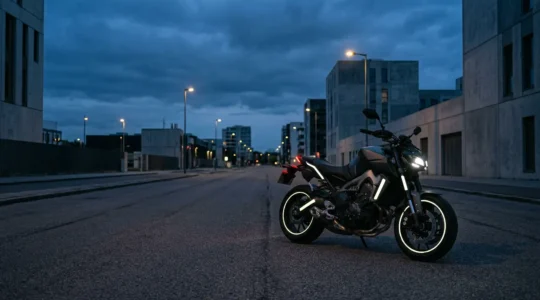
Beyond Stock Lights: Upgrading Lights and Reflectors for Maximum Safety
True on-road safety isn’t achieved by a single bright headlight, but by building a layered visibility system that makes you impossible for other drivers to ignore. Effective lighting is about strategic placement and dynamic patterns (biomotion, sequential signals) that trigger…
Lire la suite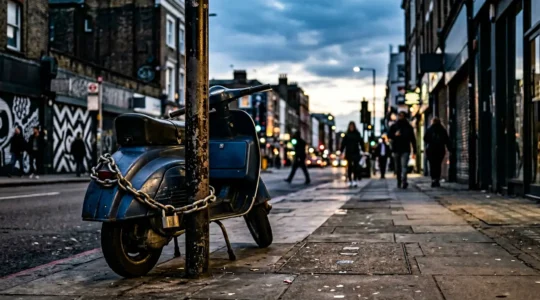
Choosing the Right Lock: A Crime Prevention Guide to Securing Your Scooter
Securing your scooter isn’t about finding one « best » lock; it’s about creating a layered defense system that makes a thief’s job too difficult, too loud, and too time-consuming. Noise is a powerful deterrent against opportunist thieves who fear being noticed….
Lire la suite
To Wear or Not to Wear: The Helmet Debate for Mobility Scooter Users
The debate over mobility scooter helmets isn’t truly about the law, but the misunderstood physics of low-speed falls. Even stable, slow scooters present a significant fall risk, and simply tipping over can be enough to cause serious head trauma. While…
Lire la suite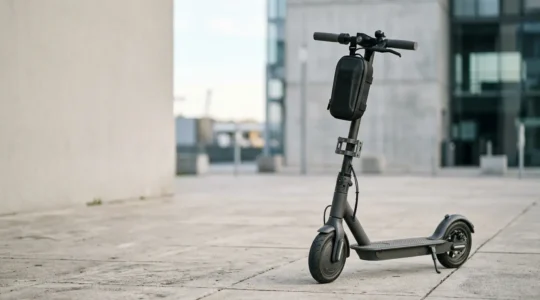
Essential Mobility Accessories to Customize Your Scooter for Daily Comfort
The secret to a perfect scooter setup isn’t adding more gear; it’s strategically solving the small, daily frustrations that ruin your ride. Protecting your phone camera from vibration is more critical than you think. Solving storage for shopping means balancing…
Lire la suite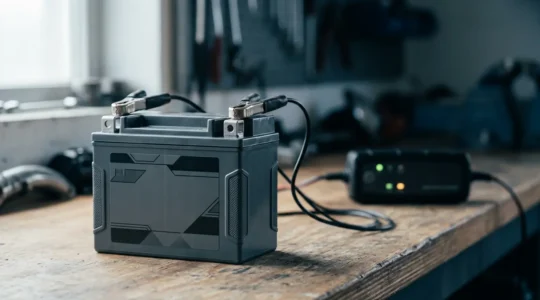
Why Investing in a Smart Charger Saves You Money on Battery Replacements?
A smart charger is not merely a power source; it is an active battery maintenance system that can double your battery’s lifespan and prevent costly failures. It actively reverses the primary cause of battery death—sulfation—using high-frequency electronic pulses to dissolve…
Lire la suite
Beyond Lights: Which Visibility Gear Prevents Accidents on Gloomy Days?
To prevent accidents in bleak UK weather, making yourself visible goes far beyond wearing a fluorescent jacket; it requires a strategic, multi-layered system that actively hacks a driver’s perception. Passive brightness (fluorescence) fails in low-contrast conditions; active visibility relies on…
Lire la suite
Why Upgrading to LED Lights Is Essential for Winter Safety in Britain?
Contrary to popular belief, bolting on the brightest LED headlight is not the key to surviving a British winter on two wheels. Effective visibility is a ‘conspicuity system’, not a single, powerful bulb. Managing your vehicle’s ‘energy budget’ is as…
Lire la suite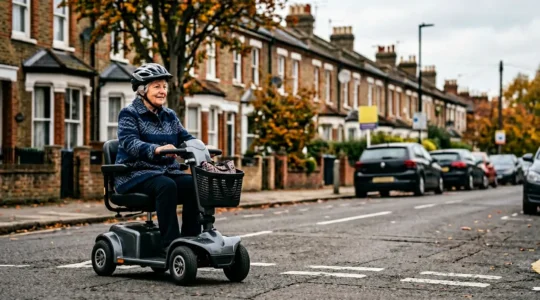
Is a Safety Helmet Legally Required for Class 3 Scooters on UK Roads?
The question of whether a helmet is legally required for a mobility scooter is a dangerous distraction; the real question is whether you can afford the physical consequences of not wearing one. The law (Highway Code Rule 46) does not…
Lire la suite