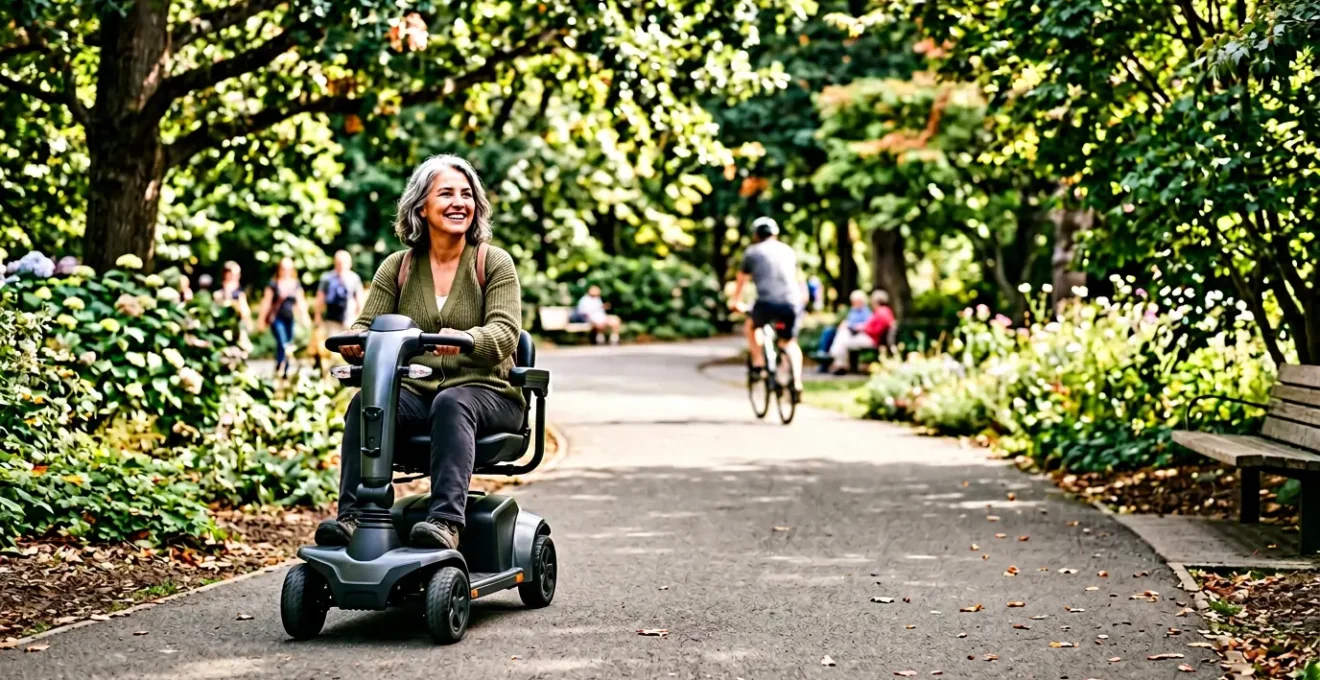
Contrary to the belief that a mobility scooter signals ‘giving up’, it’s actually a powerful tool for proactively redesigning your social life and reclaiming independence.
- True freedom isn’t just about movement; it’s about agency—the ability to choose your own schedule and engage with your community on your own terms.
- Small, consistent routines, enabled by a scooter, build ‘passive social connections’ that are crucial for mental well-being and a sense of belonging.
Recommendation: Instead of seeing mobility aids as a last resort, view them as the first step in a strategic plan to rebuild a fulfilling, active, and socially connected life.
When your world starts to shrink, it often happens quietly. The walks to the local shop become a little too challenging, the thought of navigating a bustling town centre feels exhausting, and soon, the four walls of home feel more like a fortress than a sanctuary. For many seniors facing declining mobility, this creeping sense of isolation is a heavy burden. Well-meaning advice often falls flat; being told to « stay connected » or « rely on family » can sometimes feel like it reinforces a sense of dependency, rather than restoring freedom.
The conversation often turns to mobility aids, but this can be fraught with emotional difficulty. The idea of using a mobility scooter is frequently met with reluctance, seen as a public admission of frailty or a sign of « giving up. » But what if this perspective is the very thing holding us back? What if the true key to combatting isolation isn’t just about managing decline, but about proactively redesigning your life? This isn’t about surrendering; it’s about reclaiming agency.
This guide reframes the discussion. We will explore how a mobility scooter can be a strategic tool, not a symbol of defeat. It’s an enabler of independence that allows you to rebuild daily routines, foster the small, vital social connections that make up a community, and regain control over your own time and choices. We will look at the psychological shift required, the practical ways to integrate a scooter into hobbies and travel, and the step-by-step methods to build the confidence needed to truly break free from isolation.
This article breaks down the journey from isolation to connection into practical, empowering steps. The following sections will guide you through understanding the mental health benefits, overcoming psychological barriers, and integrating newfound mobility into every aspect of your life.
Summary: Regaining Freedom: Combatting Isolation with Limited Mobility
- Why Joining a ‘Ramble’ Group Boosts Mental Health by 40%?
- How to Ditch the ‘Giving Up’ Mindset When Buying Your First Scooter?
- Gardening or Museums: Which UK Hobbies Are Most Scooter-Friendly?
- The Mistake of Relying Solely on Children for Shopping Trips
- Coach Trips vs Cruises: Which Holiday Option Suits Limited Mobility Best?
- High Street Chains vs Independents: Where Can You Actually Park Inside?
- The ‘Block Loop’ Method: Building Confidence in Your Range Step-by-Step
- How to Maintain Active Daily Living Routines Using a Scooter in Local Communities?
Why Joining a ‘Ramble’ Group Boosts Mental Health by 40%?
The link between physical activity and mental well-being is well-established, but the benefits are powerfully amplified when activity becomes social. Joining a walking or ‘rambling’ group is more than just exercise; it’s a potent antidote to the loneliness that often accompanies limited mobility. These groups provide structure, shared purpose, and, most importantly, a sense of belonging. The simple act of gathering with others for a common goal fosters easy conversation and builds a natural support network, reducing the feeling of being a burden and increasing feelings of self-worth.
The impact is not just anecdotal; it is measurable. Research confirms that group-based physical activities are incredibly effective at combating feelings of depression and anxiety. For instance, a comprehensive 2024 meta-analysis found that walking programmes resulted in a standardized mean difference of -0.591 in depressive symptoms, a significant statistical improvement. This shows that the combination of movement and social interaction provides a powerful lift to our mental state.
Case Study: The Power of Group Walking
Further evidence from a 2021 study highlighted how leisure walking in groups directly generates social cohesion and reduces perceived stress. Participants didn’t just gain physical benefits; they reported enhanced emotional and mental well-being that stemmed directly from the group dynamic. This creates a positive feedback loop: the group encourages adherence to the activity, and the activity strengthens the social bonds, making the entire experience more rewarding and sustainable. A scooter can be the very tool that makes participation in such a group possible, acting as a bridge to these vital social and mental health benefits.
Therefore, a mobility scooter should not be seen as a barrier to activities like rambling, but as an enabler. It allows you to participate at your own pace, covering the distance between accessible points and conserving your energy for the social engagement that truly matters. It transforms a potentially isolating activity into an opportunity for profound connection.
How to Ditch the ‘Giving Up’ Mindset When Buying Your First Scooter?
One of the biggest hurdles to reclaiming independence is an internal one: the perception of what using a mobility scooter means. For many, it feels like a final step, a surrender to age or disability. This emotional resistance is a common and powerful barrier. As one study noted, the choice is often viewed with « great reluctance and as an indication that they themselves have given up. » This feeling is deeply tied to identity and self-perception, making the decision to purchase a first scooter a psychologically charged moment.
To overcome this, a crucial mental shift is required. Instead of viewing the scooter as a symbol of what you’ve lost, you must reframe it as a tool for what you will gain: agency, autonomy, and control. It is not an admission of defeat; it’s a strategic decision to continue engaging with the world on your own terms. It’s about choosing to go to the post office when you want, meeting a friend for coffee without coordinating a ride, and simply feeling the sun on your face because you decided to, not because someone was available to help you.
Modern design is also playing a huge role in dismantling this stigma. The clunky, medical-looking devices of the past are being replaced by sleek, stylish, and cleverly engineered scooters that feel more like a personal transport choice than a medical necessity. This is not just about aesthetics; it’s about confidence. A well-designed product can fundamentally change how you feel using it, and in turn, how others perceive you.
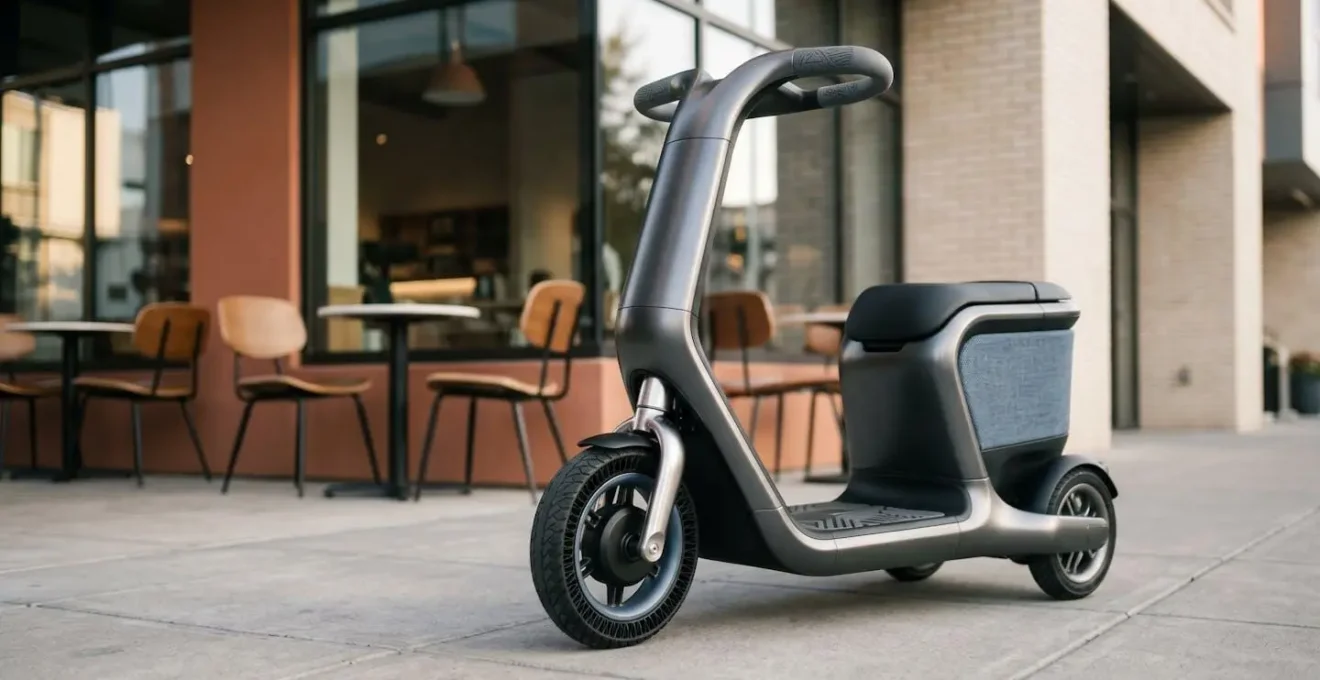
As the image above suggests, contemporary design focuses on lifestyle integration. These machines are built to be seen, not hidden. This shift in design helps to facilitate the mental shift. When you feel good about the tool you are using, you project confidence, which transforms social interactions and reinforces your decision as one of strength, not weakness. Research confirms that the stigma of using a mobility aid is often linked to the user’s own visible comfort level, a barrier that smart engineering and thoughtful design can help overcome.
Gardening or Museums: Which UK Hobbies Are Most Scooter-Friendly?
Rediscovering or starting hobbies is a cornerstone of a fulfilling life, but limited mobility requires a new way of thinking about them. The key is to identify ‘Continuous Flow’ hobbies—activities that allow you to engage at your own pace, without the pressure of fixed schedules or physically demanding transitions. Instead of activities with rigid start and end times, look for environments where you can move, rest, and explore freely. Museums, botanical gardens, and large-scale exhibitions are perfect examples.
These venues are increasingly designed with accessibility in mind, featuring wide, step-free pathways, accessible cafes, and plentiful rest areas. This allows you to spend hours engaged in a stimulating environment without the « stop-start » exhaustion that can come from less accommodating activities. A scooter transforms a potentially tiring outing into a leisurely and enriching experience, enabling you to focus on the art or nature around you, not on the physical effort of getting there. Many UK cultural institutions are leading the way in creating truly inclusive experiences.
Case Study: The Garden Museum, London
The Garden Museum in London is an excellent example of a scooter-friendly destination. Located next to Lambeth Palace, it explicitly states that the entire museum and its gardens are accessible for wheelchairs and mobility aids. Users can explore the Dan Pearson-designed courtyard garden, a community garden, and historical exhibitions without barriers. With the exception of the medieval tower, the venue provides a seamless ‘Continuous Flow’ experience. This allows a visitor to enjoy both living plants and cultural artefacts in a single visit, moving between indoor and outdoor spaces at their own pace, a perfect model for an accessible hobby.
When planning an outing, a little research goes a long way. Most venues now provide detailed accessibility information on their websites. Learning to spot the right features is a skill that empowers you to choose your destinations with confidence, ensuring a positive and stress-free experience every time.
Action Plan: Finding Your Accessible Hobby Venue
- Check for clear statements on accessibility: Look for venues that actively promote their « inclusive, accessible, and multi-sensory experiences. »
- Map out the route: Confirm the availability of step-free access routes and lifts wide enough for your device.
- Plan for comfort: Prioritise locations that offer frequent seating areas and accessible public restrooms throughout the exhibitions.
- Assess the whole journey: Ensure there is an accessible café or restaurant on-site for taking a comfortable break during a longer visit.
- Call ahead to confirm: A quick phone call can verify details and alert staff, ensuring a smoother arrival.
The Mistake of Relying Solely on Children for Shopping Trips
While family support is a wonderful thing, becoming entirely dependent on adult children for essential errands like shopping can subtly erode your sense of self. It shifts your schedule to being dependent on their availability, turns a simple trip for a pint of milk into a coordinated event, and can slowly diminish your feeling of being an autonomous adult. This reliance, however well-intentioned, can contribute significantly to feelings of isolation and inactivity, as you wait for assistance rather than acting on your own impulse.
This is where a mobility scooter offers a profound emotional benefit that goes far beyond simple transportation. It restores the power of spontaneity. The ability to decide for yourself to go to the shops, post a letter, or simply get out of the house for a change of scenery is a fundamental part of independence. This freedom from waiting for others has a huge positive impact on mental health, reducing the stress and potential for depression that are often linked to being housebound.
Mobility scooters give users the ability to move through their day without waiting for assistance or depending on others. Simply knowing they can come and go as they please has a significant emotional impact, often helping to reduce stress and depression linked to isolation or inactivity.
– Suncoast Mobility education center, Emotional and Social Benefits of Mobility Scooters article
Breaking this cycle of dependence is an act of self-care. It’s about reclaiming your role as the protagonist in your own life. When you can manage your own daily errands, you are not just buying groceries; you are reinforcing your own capability and independence. Each successful, self-directed trip builds confidence and dismantles the narrative of helplessness. This newfound autonomy is consistently reported by scooter users as a major factor in improving mental health and reducing the pervasive feelings of loneliness that can accompany reduced mobility.
This isn’t about rejecting help from loved ones. It’s about transforming that relationship from one of necessity to one of choice. You can still enjoy shopping trips together, but they become a social activity you choose to share, not a logistical requirement you depend on.
Coach Trips vs Cruises: Which Holiday Option Suits Limited Mobility Best?
The desire to travel doesn’t diminish with age or mobility challenges, but the logistics certainly change. For many, coach trips and cruises are two of the most popular options for organised travel. While both can be fantastic, a closer look reveals that one is often far better suited to the needs of a mobility scooter user. A coach trip, by its nature, involves multiple transitions: getting on and off the coach, checking into different hotels, and navigating various attractions, each with its own level of accessibility. This can be unpredictable and stressful.
Cruises, on the other hand, offer a ‘single-environment’ solution that is hard to beat for consistency and peace of mind. Once you and your scooter are onboard, you are in a controlled, self-contained world designed with accessibility in mind. Modern cruise ships are built to comply with strict accessibility standards, offering a guaranteed level of comfort and navigability that a multi-stop coach tour simply cannot match. You unpack once and your accessible ‘hotel room’ travels with you.
As accessible travel expert Cory Lee notes, the industry is constantly improving: « In my experience, I’ve found that the newer the ship is, the more accessible it tends to be… the larger the cruise ship is, the more accessible it is. » This means you have access to wide corridors, elevators, accessible restaurants, theatres with designated seating, and even pool lifts. The ability to participate in activities and then easily return to your own private cabin for rest at any time is a significant advantage, preventing the fatigue that can ruin a holiday.
This detailed comparison of travel accessibility highlights the key differences for scooter users.
| Factor | Cruise Ships | Coach Trips |
|---|---|---|
| Accessibility Consistency | Guaranteed once onboard; major lines comply with accessibility laws. | Variable; depends on coach, hotels, and attractions. |
| Environment Control | Self-contained, controlled environment with accessible amenities. | Multiple locations with varying standards and unforeseen barriers. |
| Rest Opportunities | Can return to a private cabin anytime for rest between activities. | Limited rest opportunities until returning to the hotel in the evening. |
| Cabin Features | Fully accessible staterooms with wide doorways, roll-in showers, and grab bars. | Hotel accessibility varies by location and must be confirmed for each stop. |
| Public Spaces | Wheelchair seating in theatres, pool lifts, accessible restrooms throughout. | Accessibility depends on the specific public venues visited. |
High Street Chains vs Independents: Where Can You Actually Park Inside?
Regaining the freedom to shop on your local High Street is a major milestone, but it comes with a practical challenge: where do you go? While large chain stores often have the advantage of modern infrastructure with automatic doors and wide aisles, they can feel impersonal. Independent shops, on the other hand, offer character and community connection but may be housed in older, less accessible buildings. However, the biggest barrier is often not physical, but social.
The anxiety of navigating a cramped space or feeling like you are « in the way » can be a powerful deterrent. This is where a simple but effective strategy comes into play: the ‘Call Ahead’ protocol. A quick phone call to a smaller independent shop before you visit can transform the entire experience. It allows the owner to prepare, perhaps by clearing a small space near the entrance for you to park your scooter or by being ready to offer assistance. This turns a potentially awkward encounter into a welcoming, collaborative one.
This proactive communication is vital because, as research shows, negative attitudes can be a more significant barrier than physical obstacles. A study led by Professor Duncan Guest found that after access difficulties, the biggest disadvantage for scooter users was the hostile attitude of others. This is a critical insight for anyone looking to build a new life in their community.
Case Study: The Impact of Social Attitudes
A UK research study funded by The Road Safety Trust revealed the real-world social challenges faced by scooter users. Participants reported feeling seen as a nuisance and being treated like second-class citizens, facing hostility from pedestrians and thoughtless drivers. These negative interactions create immense stress and act as a major deterrent to going out. The ‘Call Ahead’ protocol directly counters this by changing the dynamic from potential confrontation to partnership. It pre-emptively establishes you as a welcome customer, not an obstacle, a finding supported by this important research on user stigma.

Ultimately, the choice between a chain and an independent isn’t just about physical space. It’s about finding places where you feel welcome and valued. By using the ‘Call Ahead’ protocol with local traders, you not only ensure your own access but also build those small, passive social connections that make a neighbourhood feel like a community.
The ‘Block Loop’ Method: Building Confidence in Your Range Step-by-Step
Getting a new mobility scooter is exciting, but it can also be daunting. Concerns about battery life, navigating tricky pavements, and judging distances can create « range anxiety » that keeps you from venturing far. The key to overcoming this is to build confidence incrementally. The ‘Block Loop’ method is a simple, powerful strategy for doing just that. It’s about starting small and systematically expanding your comfort zone.
The method is straightforward. Begin with a single, manageable loop around your block or to the end of your street and back. The goal isn’t distance; it’s familiarity. On this short, repeatable route, you learn exactly how your scooter handles, how much battery a known distance uses, and where the potential obstacles are (like uneven kerbs or cracked pavement). You do this until the route feels completely automatic and stress-free.
Once you’ve mastered the first loop, you expand. Add another street to create a slightly larger loop. Then, perhaps venture to the nearest postbox or corner shop. Each new addition is a small, calculated extension of a route you already know. This progressive approach builds environmental mastery. Instead of taking a big, intimidating leap, you are slowly and steadily mapping out your local area in your mind, turning unknown territory into familiar ground. This addresses the common concern about whether using a scooter makes you lazy; instead, it’s about smart energy conservation, using the scooter for transit so you have the energy for meaningful activities at your destination.
This methodical practice is the foundation of true independence. It replaces anxiety with knowledge and fear with confidence. Before you know it, a trip to the main High Street will feel just as manageable as that first simple loop around the block. It’s about framing scooter use as a way to support your independence and maintain social connections, rather than seeing it as a replacement for all movement.
Key Takeaways
- Reframing is key: A mobility scooter is a tool for strategic life redesign, not an admission of defeat.
- Start small to go far: Use methods like the ‘Block Loop’ to build confidence and map your local environment incrementally.
- Proactive planning beats anxiety: Calling ahead to shops and choosing accessible ‘Continuous Flow’ hobbies creates positive, stress-free experiences.
How to Maintain Active Daily Living Routines Using a Scooter in Local Communities?
The ultimate goal of reclaiming mobility is not just about making big trips; it’s about re-integrating into the fabric of daily life. This is achieved by establishing and maintaining active daily living routines within your local community. A mobility scooter is the perfect tool for this, enabling the consistency that transforms you from a stranger into a familiar face. It’s these small, repeated interactions—the ‘passive social connections’—that rebuild a sense of belonging.
Think of it this way: using your scooter to go to the same café for a coffee every morning, or to pick up the newspaper from the same newsagent, does something powerful. As one expert in mobility psychology noted, this routine « turns you from an anonymous person into ‘the guy with the red scooter’. » This familiarity is the bedrock of community. The daily nods, the brief hellos, the shopkeeper knowing your name—these are not trivial. They are vital social anchors that combat loneliness and affirm your place in the world.
Even micro-doses of nature, made possible by a scooter, can have a profound impact. A pilot study on urban environments found that even short, 15-20 minute exposures to green spaces like tree-lined streets or local parks led to measurable improvements in emotional well-being and reduced stress. Establishing a daily routine of a short trip to a nearby park is a simple but highly effective way to boost your mental health. The scooter makes this routine reliable and effortless, ensuring you get that benefit day after day.
The key is consistency. Choose one or two small, enjoyable, and easily achievable outings and make them a non-negotiable part of your day. It could be a trip to the library, a loop around the duck pond, or a visit to a friend. The scooter guarantees you can do it regardless of how you’re feeling physically, turning intention into action and building a rich, socially connected daily life, one routine at a time.
Now that you understand the principles, the next step is to put them into practice. Start today by planning your first ‘Block Loop’ or identifying one small, daily routine you can commit to. This small action is the first step in redesigning your life for freedom and connection.